So you’ve been writing code for 10, 15, maybe even 20 years now. And somewhere along the way, you probably realised your old resume just isn’t cutting it anymore. Half the bullet points feel outdated, the format looks stuck in another decade, and it doesn’t say much about who you’ve become as an engineer.
Here’s the thing. A resume at this stage of your career isn’t a formality. It’s often the first impression a hiring manager gets before they ever talk to you, and it needs to carry the weight of everything you’ve built, led, and figured out over the years.
This blog is going to walk you through exactly that, structure, wording, formatting, all of it, so your experienced software engineer resume actually reflects the depth of your experience instead of hiding it behind generic phrasing.
Why Senior Software Engineer Resumes Need a Different Approach
Here’s something a lot of engineers don’t realise until they’re deep into a job search: the resume that got you your first job is nothing like the resume that should be getting you your fifth or sixth.
Early career resumes are built around potential. Yours needs to be built around proof.
Recruiters aren’t scanning for keywords like “quick learner” or “team player” anymore. They want numbers. They want outcomes. They want to know what you actually built and, more importantly, what happened after you built it.
A lot of senior engineers make the mistake of just adding more bullet points onto an old resume template every time they update it. More isn’t better here, not even close. What matters is relevance, clarity, and the story your career tells when someone skims it in under 30 seconds. That’s really the crux of good resume tips for senior software engineers: less clutter, way more substance.
There’s also a positioning problem that shows up a lot. Ten years of experience doesn’t automatically mean ten years of growth. If your resume reads like you did the same job on repeat across different companies, that’s going to work against you, no matter how skilled you actually are. A different approach means showing progression, not just tenure.
What Recruiters Expect from Professionals with 10–20 Years of Experience
Recruiters reviewing a senior software engineer resume aren’t looking for a list of technologies you’ve touched. They’re looking for signals of ownership and judgment.
Here’s roughly what’s going through their head:
- Has this person led anything, or just executed tasks handed to them?
- Did their work move a business metric, not just a technical one?
- Can they operate at a strategic level, thinking about architecture, tradeoffs, and team growth?
- Is their tech stack current, or stuck in 2015?
At this stage of a career, recruiters expect maturity in how you present yourself. Vague statements like “worked on backend systems” don’t cut it anymore. They want to see the scale, the complexity, and the outcome. This is also why looking at a few solid software engineer resume examples before you sit down to write can save a lot of back and forth later.
Essential Elements Every Senior Software Engineer Resume Should Include
Let’s break down what actually needs to be on the page.
Senior-Level Professional Summary
Skip the objective statement. Nobody needs to know you’re “seeking a challenging role.” Instead, open with three or four lines summarising your years of experience, your domain expertise, and your biggest wins. Think of it as an elevator pitch, not a mission statement.
Relevant Technical Skills
This is where a lot of senior engineers go wrong; they list every single tool they’ve ever opened once. Be selective. Your skills for software engineer resume section should reflect what you’re actually strong in and what’s relevant to the roles you’re targeting.
Also Read: Top 20 Skills to Write in Resume
Clear Career Progression
Recruiters want to see growth. Titles moving upward, scope expanding, and more ownership over time. If your resume reads flat, like you did the same job for 15 years across three companies, that’s a problem worth fixing in how you frame things.
Quantifiable Achievements and Business Impact
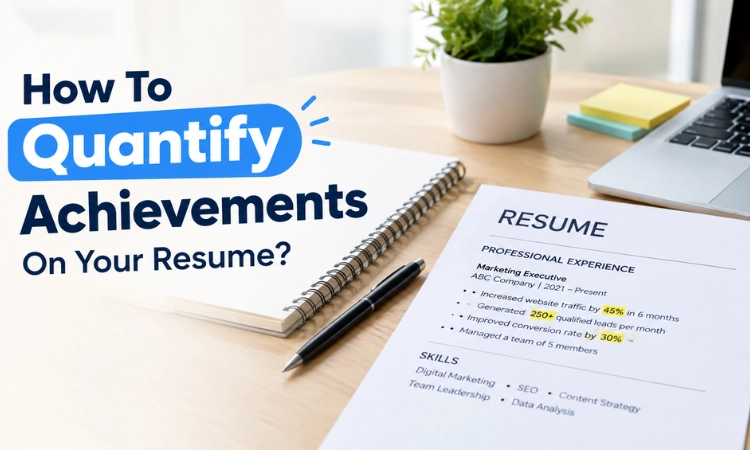
Every senior engineer should have metrics attached to their work. Reduced latency by how much? Saved how many engineering hours? Scaled a system to handle what kind of load? Numbers make claims believable.
Technical Leadership and Mentoring Experience
Even if you were never a manager, if you mentored juniors, ran design reviews, or influenced technical direction, that counts as leadership. Say so.
Major Projects and Architecture Experience
This part of the resume tends to carry the most weight, and for good reason. Systems built from the ground up, migrations pulled off under pressure, architecture calls that are still paying off years later, are where a senior engineer’s resume actually starts to look senior.
How to Write a Senior Software Engineer Resume That Gets Interviews
- Define the Target Role and Career Direction
Figure out the destination first. Staff Engineer? Engineering Manager? Some niche technical specialist track that doesn’t even have a clean job title yet? Whatever it is, a resume template for experienced software engineer roles needs to point there directly. A generic version aimed at “any job with engineer in it” rarely lands anywhere.
- Focus on Recent and Relevant Experience
That jQuery project from 2011 isn’t doing anyone any favours. Recent roles deserve the space; older ones can be summarised in a line or two. As a rule, the last eight to ten years should carry almost all of the weight on the page.
- Convert Responsibilities into Quantifiable Achievements
Every “responsible for” bullet is a missed opportunity. Rewrite it as a result instead. “Responsible for backend development” becomes something closer to “redesigned backend service handling 2M+ daily requests, cutting response time by 40%.” One small shift like that changes how the whole resume reads.
- Highlight Technical Leadership and Strategic Impact
Leadership shouldn’t be hiding behind technical language three bullets deep. A decision that saved money, or one that quietly prevented a major outage, deserves its own line near the top of a role, not a mention buried in paragraph four where nobody will find it.
- Organise Technical Skills into Relevant Categories
Break the skills section into groups, like:
- Languages
- Frameworks
- Cloud and DevOps
- Databases
- Architecture
Sorting your technical skills for resume sections this way makes them scannable in seconds; one giant wall of tools does not.
- Keep the Resume Concise and ATS-Friendly
For someone with a decade or more behind them, two pages is usually about right. And before a human even opens it, the file has to survive an applicant tracking system. Stick to standard headers, skip the graphics and tables ATS software chokes on, keep formatting clean. An ATS-friendly resume isn’t the same as being boring. It just means the resume needs to work for machines and people both. Starting from one of the best resume templates for software engineers usually makes this step a lot easier, since the formatting basics are already sorted out for you.
Resume Tips for Different Senior-Level Software Engineering Career Paths
Senior engineers don’t all want the same thing next, so the resume shouldn’t be built the same way either.
- Individual Contributor (Staff / Principal Engineer track)
Deep technical expertise, system design decisions, cross-team influence that doesn’t come from a title. This track is about depth, not people managed.
- Engineering Manager track
Here the focus moves toward people. Team size, hiring, performance reviews, and how the leadership actually improved delivery timelines or kept people from leaving.
- Technical Architect / Solutions Architect
Large-scale system design belongs front and center. So do technology selection decisions and the effect those architecture choices had on scalability, cost, or reliability across the org.
- Startup to Enterprise (or vice versa) transitions
Moving between company sizes needs some translation. Startup engineers should lean into adaptability and ownership. Enterprise engineers should lean into process, compliance, and the ability to work inside bigger, slower-moving systems.
7 Common Senior Software Engineer Resume Mistakes That Cost Interviews
A handful of patterns keep showing up in resumes from experienced engineers. Most people don’t realise how much these quietly cost them.
- Listing every technology ever touched: It waters down your real strengths until nothing stands out.
- Writing task lists instead of achievements: “Worked on API development” says nothing about impact.
- Skipping over career gaps or lateral moves without a word of context: A short explanation goes further than staying silent; silence just invites guessing.
- Sticking with an outdated format: Dense paragraphs and old fonts make a resume look like it hasn’t been touched since 2012.
- Running past three pages: Nobody’s reading five pages, no matter how strong the career behind them.
- Sending the same resume everywhere: A backend role and an architecture role rarely respond well to identical wording.
- Leaving out metrics entirely: Bullet points with no numbers read as vague, not impressive.
How Resume Writing Services Can Help Senior Software Engineers Stand Out
Writing about your own career is harder than it sounds. Being too close to the work makes it genuinely difficult to know what belongs on the page and what should get cut. That’s exactly where Professional Resume Writing Services earn their keep, particularly for engineers who’ve spent years buried in code instead of shaping personal narratives.
A solid writing service knows how to turn technical work into language recruiters and hiring managers both respond to, all while keeping the file ATS-friendly underneath. For engineers aiming further up the ladder, Executive Resume Writing services are built specifically for leadership-level positioning, which starts to matter once a Director or VP role comes into view.
It also helps to update the resume and the LinkedIn profile together, since most recruiters check LinkedIn the moment they close the resume file. A LinkedIn profile writing service can make sure the two line up, because when tone or content don’t match, it creates doubt instead of confidence.
And for anyone with the C-suite somewhere on the horizon, it’s worth taking a look at What A Great CTO Resume Looks Like. It’s a good way to see how far this trajectory can actually stretch, and what resumes at that level tend to contain. Getting the basics right early, things like skills to write in resume sections and consistent formatting, makes that climb a lot smoother down the line.
Conclusion
After a decade or two in software engineering, a resume needs to do more than list what happened. It should tell a story, one built around growth, impact, and leadership. Every senior software engineer resume has to strike a balance between technical depth and business outcomes, and that balance tends to be exactly what separates the candidates who get interviews from the ones who get passed over.
Set aside time to revisit the Resume Writing Format, tighten the language, and make sure every section is earning its place. Write it alone or bring in a resume writing service, the end goal doesn’t change: showing recruiters not just what you know, but what you’ve actually built and led along the way. At the end of the day, the best software engineer resume is simply the one that gets you in the room.
Frequently Asked Questions
1. What should a senior software engineer include on a resume?
Start with a short professional summary, then group technical skills into clear categories instead of dumping them all in one list. Numbers matter here. Achievements should be backed by something measurable wherever possible. Mentoring or leadership experience deserves a spot too, along with major projects where real involvement in architecture or system design comes through. If something doesn’t add value at this point in a career, it probably doesn’t need to be there.
2. How long should a resume be for someone with 15 years of experience?
For most people writing a resume for 10 years experience in IT or more, two pages hits the right mark. Careers built around heavy leadership responsibilities can stretch to three pages without losing the reader. Push past that, and most of it gets skimmed at best, never actually read.
3. Should senior software engineers include all their technical skills?
Not really. Cramming in every tool or language ever touched just buries the skills that actually matter.
4. How can a software engineer show leadership experience on a resume?
No formal title required. You can mention if you mentored junior developers or pushed architectural decisions through. These all reflect leadership in practice. What makes it land, though, is tying each example to a specific, tangible outcome rather than leaving it vague.
5. Should a senior developer use a two-page or three-page resume?
For the vast majority of senior engineers, two pages does the job well. A third page only earns its place when there’s a genuinely large leadership scope behind it, or a handful of major projects that need that extra room to be explained properly. Simply having more years under one’s belt isn’t reason enough on its own.
6. How far back should an experienced software engineer's resume go?
Generally, the most recent 10 to 15 years carry the most weight. Anything older can be shrunk down to a single line, or removed entirely, unless it ties directly into the role being pursued right now.