Most people don’t really know what skills to write in a resume. Some just copy random skills for resume from Google. Some write things like “hardworking” and “honest” and think recruiters will be impressed by that. But nowadays, resumes don’t work like that anymore.
Recruiters are seeing hundreds of resumes every single day. They don’t spend 20 minutes on each one. In most cases, they just scan a resume for a few seconds and decide whether you are worth considering or not. That is exactly why adding the right skills to write in resume matters so much now.
A degree is important, yes. Experience also matters. But skills for resume are the thing that actually tells an employer what you can do in real work situations.
Maybe you are a fresher with no big experience. Maybe you are already working somewhere and looking for a better role. Maybe you are changing careers completely. In all these situations, having the right skills for resume can increase your chances quite a lot.
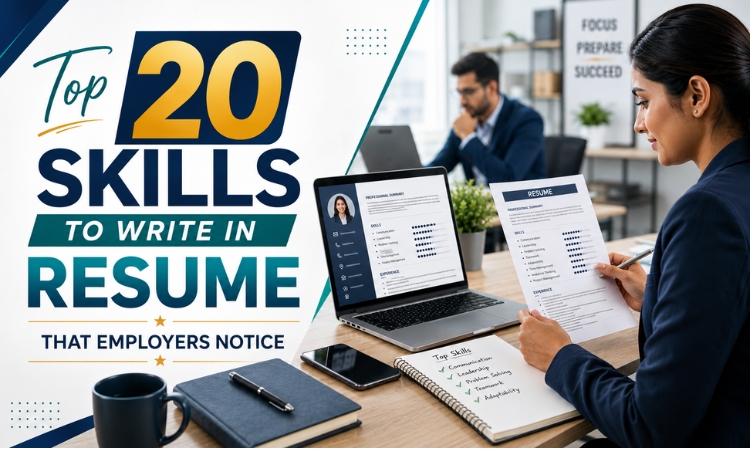
In this blog, we will talk about the top 20 skills employers actually notice in resumes, how to choose the right skills, mistakes people make while adding skills, and some practical tips to make a resume stronger in 2026.
Why Adding the Right Skills to a Resume Is Important
The job market has become very competitive now. Companies are not only hiring based on marks and degrees anymore. They want employees who can actually solve problems, work with teams, communicate properly and adapt to fast-changing work environments.
Also, many companies now use ATS systems. ATS means Applicant Tracking System. Basically, a software scans your resume before the recruiter even sees it. If your resume does not contain relevant key skills for resume, your application may get rejected automatically without anyone even reading it.
That is why understanding what to write in skills in resume is extremely important now.
The right key skills for resume section helps employers quickly understand:
- What are you good at
- Whether you fit the role
- What value you can bring
- Whether you can handle workplace challenges
Good skills also help freshers quite a lot. Even if you don’t have much work experience, strong and relevant skills for resume can still make your resume look impressive.
A strong resume usually contains both technical skills and soft skills to write in resume.
Top 20 Skills to Write in Resume
Here are the top 20 skills that you should definitely write on your resume to make sure that employers notice:
1. Communication Skills
This is one of the most important soft skills to write in resume. Irrespective of your field of profession, communication plays an important role in every aspect. Recruiters prefer candidates who are capable of speaking effectively, explaining things properly, writing professional emails, and communicating with clients or other workers without causing any confusion. Excellent communication skills play an essential role in interview procedures, meeting sessions, teamwork, and client interaction.
Resume Skills Examples include:
- Effective verbal communication.
- Effective written communication.
- Presentation skills.
- Public speaking.
2. Teamwork and Collaboration
Companies don’t want employees who cannot work with others. Almost every project today involves teams. Recruiters notice candidates who can collaborate with coworkers, support teammates and contribute positively in group work. Being a team player is one of those skills to put on resume that works in almost every industry.
3. Problem-Solving Skills
Every organisation faces problems on a daily basis. Recruiting employers prefer candidates who do not panic under such conditions but can come up with pragmatic solutions. The problem-solving skills allow the employee to think rationally during challenging situations.
This is one of the top key skills to write in resume because businesses always value solution-oriented employees.
Examples of skills in resume:
- Conflict resolution
- Strategic thinking
- Troubleshooting
- Logical reasoning
4. Time Management
All jobs involve dealing with deadlines. Should employers feel that you are not good at managing your time efficiently, then there may be hesitation from their side. Good time management shows that you have high-level discipline towards work.
Time management examples in resumes include:
- Task management
- Meeting deadlines
- Scheduling
- Prioritisation
5. Leadership Skills
Many people think leadership only matters for managers. That is not true, actually. Even freshers can show leadership through internships, college events, volunteering or group projects. Companies like candidates who take initiative instead of always waiting for instructions.
6. Adaptability and Flexibility
Workplaces change very quickly nowadays. New tools, technologies, systems and working styles keep coming every year. Employers notice people who are willing to learn and adjust without much resistance. Adaptability became one of the most valuable skills for resume, especially after remote work became so common.
7. Critical Thinking
Critical thinking means analysing situations carefully before making any decisions. Companies appreciate employees who think logically instead of blindly following whatever instructions are given. This skill becomes very useful in management, finance, business strategy, marketing and technical roles.
8. Creativity and Innovation
Creativity is not only for designers or artists. Businesses also want people who can bring fresh ideas, improve existing systems, solve problems differently and think outside the box sometimes. Even small creative ideas can improve overall productivity quite a lot.
9. Organisational Skills
Organised employees usually work better and faster than others. Recruiters notice candidates who can manage files, tasks, schedules, reports and responsibilities properly without getting overwhelmed.
Examples:
- File management
- Documentation
- Planning workflows
- Record keeping
10. Emotional Intelligence
This skill is becoming more important with every passing year. Emotional intelligence means understanding emotions, managing stress properly and handling workplace relationships in a mature way. Employees with emotional intelligence usually communicate better and handle conflicts more professionally than others.
11. Sales and Negotiation Skills
It doesn’t matter whether you’re directly engaged in sales-related activities; you need to be a good negotiator, nevertheless. Employees who are capable of negotiating, convincing clients professionally, and conveying their value in a suitable way are valued by organisations. These skills are helpful in marketing, management, and finance.
12. Attention to Detail
Small mistakes can create big problems in the workplace. One tiny error in reports, coding, emails or data can affect the entire project sometimes. That is why employers really notice candidates who pay proper attention to details. This is one of those underrated but powerful skills to write in resume.
13. Active Listening Skills
Listening sounds very simple, but many people are actually quite bad at it.
Good employees don’t just hear instructions. They actually understand what is being said properly. Active listening improves teamwork, customer service, communication and overall workplace relationships.
14. Decision-Making Skills
Employers appreciate employees who can make smart decisions with confidence. Good decision-making involves analysis, confidence, logic and accountability together. People with strong decision-making skills often grow faster inside companies.
15. Customer Service Skills
In modern times, customers are always considered supreme in almost all sectors. Even if the job you applied for does not require you to interact with customers, your knowledge regarding customer service would prove useful.
Resume Skills Examples:
- Customer communication
- Complaint handling
- Relationship management
- Client support
16. Technical Skills
Technical skills refer to role-specific abilities. Depending on the industry, there are different kinds of technical skills required. For instance, IT positions may require programming, while marketing jobs may require SEO or data analytics tools. Technical skills are actually among the most important key skills for resume in 2026.
Examples:
- Programming languages
- SEO/SEM
- Graphic design
- CRM tools
- Digital marketing
17. Computer Skills
Basic computer skills are required in nearly all sectors. Employers usually prefer candidates who have prior knowledge of:
- Word document
- Excel spreadsheets
- PowerPoint presentations
- Google Docs
- Email software
Advanced computer skills can actually add a bit more strength to a resume.
18. Project Management Skills
The skills of managing projects effectively prove the capability to complete tasks and handle teams and budgets efficiently.
Project management skills are extremely handy, particularly for operations, marketing, IT, management and other business-oriented positions.
Examples:
- Project planning
- Budget management
- Team collaboration
- Workflow management
19. Analytical Skills
Analytical skills help businesses in making smarter decisions overall. Employers give value to people who can study data, find patterns and understand trends in a proper way.
Examples:
- Market analysis
- Data interpretation
- Performance analysis
- Reporting
20. Data Management Skills
Data has become one of the biggest assets for businesses today. Companies need employees who can organise, maintain and analyse information in an efficient manner. This skill is highly useful in IT, finance, healthcare, marketing and operations-type industries.
How to Choose the Right Skills for Resume?
Many people just add too many random skills to their resume. That usually does more harm than good, actually. Instead, focus on skills that are relevant and practical for the role. Here is a simple way to decide how to write skills in resume properly.
- Read the Job Description Carefully
Most companies already mention what skills they are looking for. Read the job description carefully and identify keywords that are repeating.
- Match Skills with Your Real Experience
Don’t add skills you cannot explain properly in interviews. If you write about leadership skills, then you should be ready to talk about situations where you actually showed leadership in real life.
- Keep Balance Between Soft Skills and Technical Skills
Only technical skills can make a resume feel a little robotic. Only soft skills may make it feel weak. Best resumes combine both in a proper balance.
- Customise a Resume for Different Jobs
Don’t send the same resume everywhere. Small customisation in the skills section can improve chances quite a lot. This works well for Resume Tips For Senior professionals as well as freshers.
Mistakes to Avoid While Adding Skills to a Resume
These are some of the most common mistakes that professionals do when adding skills to their resume:
- Adding Fake Skills
This is one of the worst mistakes, honestly. Interviewers figure out very quickly if someone is pretending about skills.
- Adding Too Many Skills
A resume should not look overloaded with skills. Focus on quality rather than quantity always.
- Using Generic Words
Words like smart, good or hardworking without any proof don’t add much value anymore. Being more specific is always better.
- Ignoring ATS Keywords
Relevant keywords matter a lot for ATS systems. Without proper keywords, a resume may not even reach recruiters at all.
- Not Updating Skills
Industries keep changing every year. A resume should also keep evolving with new tools and technologies accordingly.
Tips to Make Your Resume Skills Section Stronger
Here are some tips that you should follow when writing the skills section of your resume:
- Add Real Examples
Instead of just writing leadership skills, mention some practical achievements also. For example, writing something like managed a team of 4 interns during a social media campaign sounds much more believable and stronger.
- Keep Skills Relevant
Only add key skills to write in resume that are related to the job role. Irrelevant skills can distract recruiters from important things.
- Use Clean Formatting
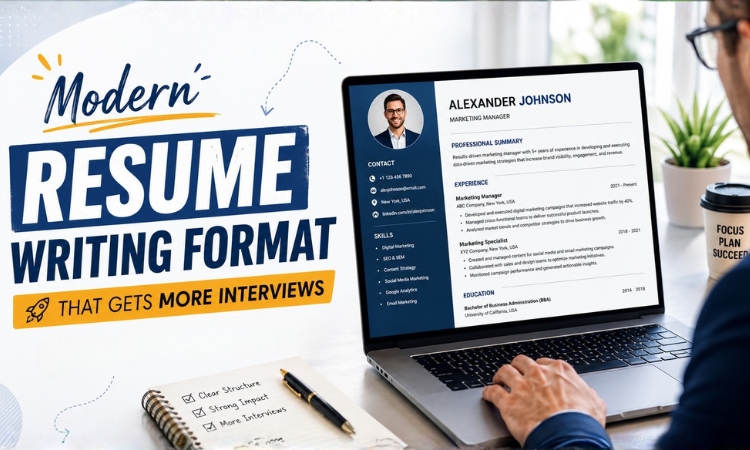
A proper Resume Writing Format makes a resume easier to read. Avoid making the skills section too crowded.
- Mention Skills Across the Resume
Don’t keep skills only inside the skills section. Mention them naturally inside Resume Summary Examples, Career Objective For Resume, work experience, projects and achievements also.
- Keep Learning New Skills
The job market keeps changing constantly. Learning new tools, certifications and technologies helps to keep a resume competitive. If needed, one can also take help from professional resume writing services for better structure and ATS-friendly resumes.
Conclusion
Adding the right skills to write in resume can seriously improve chances of getting shortlisted. Today, employers want more than just degrees. They want people who can communicate properly, solve problems, adapt quickly, manage work responsibly and contribute to teams in a positive way.
The good thing is you don’t need to sound overly professional or fancy. Just being clear, relevant and honest about abilities is enough. Choose skills for resume that genuinely match your experience and career goals. Customise your resume according to the role. Keep updating skills because workplaces are changing quite fast every year.
At the end, a strong resume is not about adding difficult words. It is about making employers understand quickly why you are valuable for that particular role.
FAQs
1. What are the best skills to write in resume?
Some of the best skills include communication skills, teamwork, leadership, adaptability, problem solving, technical skills, analytical skills and project management skills.
2. How many skills should I add to my resume?
Around 8 to 15 relevant skills for resume are usually enough. Don’t overload a resume with too many unnecessary skills.
3. Should freshers add soft skills to write in resume?
Yes definitely. Soft skills help freshers to show their personality, communication ability and workplace potential even without much work experience.
4. What key skills for resume do employers notice first?
Employers usually notice communication skills, technical skills, leadership qualities, teamwork and problem-solving skills first.
5. Can I add skills to put on resume without work experience?
Yes, that is possible. Skills gained through internships, college projects, volunteering, online courses, workshops and freelancing can be mentioned easily.
6. Which technical key skills to write in resume are most in demand in 2026?
Some highly demanded technical skills in 2026 include AI tools, cloud computing, cybersecurity, coding, digital marketing, project management software and data analysis.
Career notes from our writers
Once a fortnight, our resume writers send one short email on what is actually getting people shortlisted. No fluff, unsubscribe any time.

Written by
Rahul Ranjan
Rahul Ranjan is the Founder and Director of Writrox Solution Private Limited, where he has spent the last several years helping professionals transform the way they present themselves in today's competitive job market. From early-career professionals to CXOs and founders, his work has supported thousands of individuals in building stronger professional identities through strategic resumes, LinkedIn profiles, executive biographies, and personal branding.